RCID Financial Inclusion Projects & Initiatives
Snapshots of our work and impact in Rwanda's financial inclusion sector
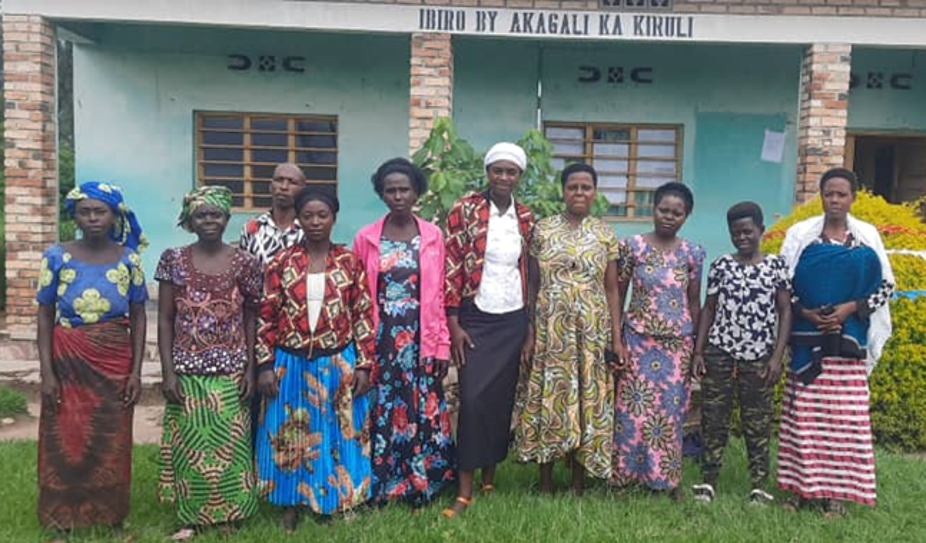
Mid-Term Review of the CARE Rwanda Program Strategy 2022–2025
In 2024, the Regional Research Centre for Integrated Development (RCID) partnered with CARE Rwanda to conduct a Mid-Term Review of its 2022–2025 Program Strategy. This vital assessment focused on improving outcomes for women and girls through gender equality, economic empowerment, and climate resilience. Applying an integrated mixed-methods approach, RCID utilized Key Informant Interviews, Focus Group Discussions, and case studies to evaluate implementation under two strategic pillars: Gender Justice and Right to Health, and Women’s Economic and Climate Justice.
The review identified significant progress in expanding economic opportunities, while highlighting systemic challenges like gender-based violence and restrictive socio-cultural norms. RCID delivered evidence-based, actionable recommendations to strengthen survivor support mechanisms and stakeholder coordination for the remaining strategy period. This project underscores RCID’s expertise in gender-responsive research and inclusive development, further establishing our firm as a key contributor to long-term social protection and women’s empowerment initiatives across Rwanda. Our commitment remains focused on translating data into impactful community-led resilience-building strategies now.
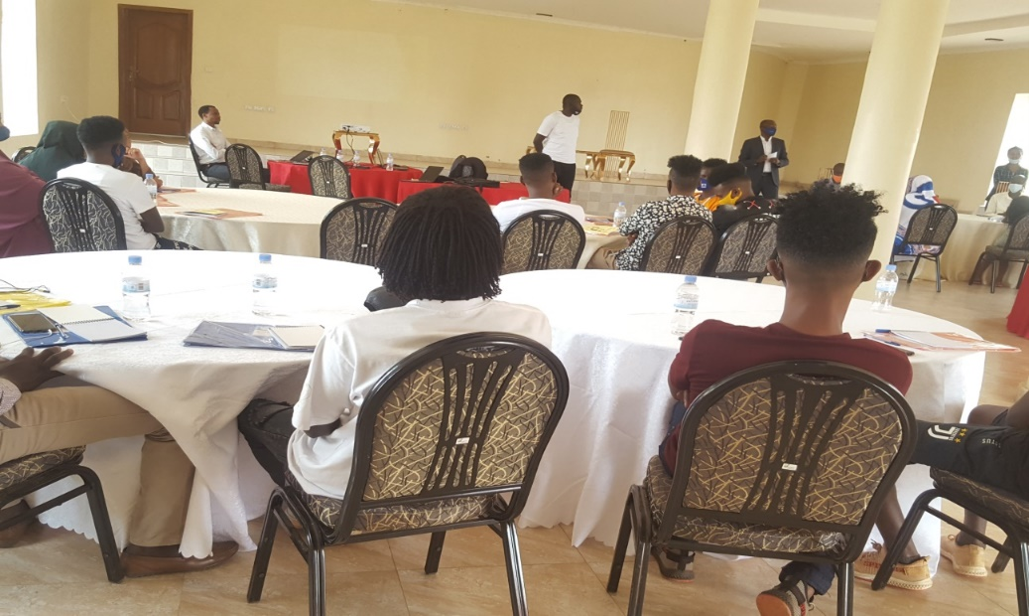
Financial Literacy and Livelihood Empowerment for Evacuees from Libya at Gashora ETM Center
Between July and September 2020, the Regional Research Centre for Integrated Development (RCID) partnered with World Vision Rwanda to deliver a specialized economic inclusion project. Supported by the Local Administrative Entities Development Agency (LODA), this initiative targeted evacuees from Libya hosted at the Gashora Emergency Transit Mechanism (ETM) Center in Bugesera District. RCID conducted intensive financial management training to bolster the economic resilience and self-reliance of these displaced populations.
Participants gained vital practical skills, learning to utilize essential business tools such as balance sheets, cash flow analyses, and family budgets. The curriculum also enhanced awareness of both formal and informal financial systems, empowering evacuees to identify entrepreneurial opportunities and navigate financial institutions at local and international levels. This successful intervention highlights RCID’s expertise in providing inclusive financial empowerment and supporting the social reintegration of vulnerable groups. Equipping participants with market-ready tools, RCID successfully facilitated a transition toward sustainable livelihoods and permanent self-reliance within Rwanda’s Eastern Province.

Strengthening the Agri-business Initiative Portfolio of the Development Bank of Rwanda (BRD)
RCID is delivering strategic technical assistance to the Development Bank of Rwanda (BRD) under the Agri-business Initiative Portfolio from 2024 to 2027, strengthening Rwanda's agricultural SME ecosystem by addressing persistent financing gaps, particularly for youth- and women-led agribusinesses. The program aligns with Rwanda's broader goals of agricultural transformation and commercialization, contributing to job creation, food security, rural development, and poverty reduction, and complements the World Bank's US$300 million irrigation and market access program launched in 2022.
RCID supports BRD and its partners through feasibility assessments, project appraisals, and market studies that evaluate and inform investment opportunities across agricultural value chains, guiding the design of tailored financing instruments and helping SMEs build sound business plans and data-driven investment cases that attract funding.
Capacity building is a key pillar of this assistance: RCID facilitates training and mentorship for both BRD staff and agri-entrepreneurs covering business planning, financial literacy, and investment readiness, ultimately improving the bankability of agricultural enterprises and resilience in the agri-business sector.
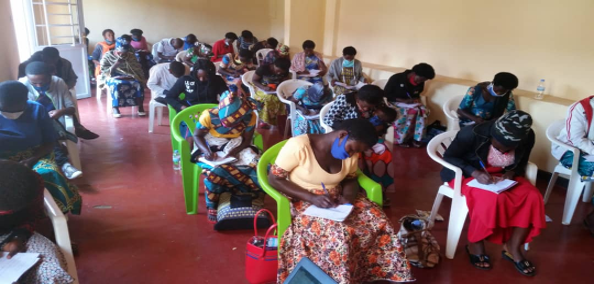
Technical Assistance Capabilities and Achievements: RCID Support to Faith Victory Association (FVA) NGO in Rwanda
The Regional Research Centre for Integrated Development (RCID) has established a robust track record in delivering specialized technical assistance (TA), notably through its long-term partnership with the Faith Victory Association (FVA) between June 2018 and May 2023. This five-year engagement focused on building the socio-economic resilience of beneficiaries across the districts of Nyamasheke, Rutsiro, Nyaruguru, and Gisagara. Funded by international partners including World Vision and ActionAid, RCID’s intervention was designed to empower rural communities through a comprehensive package of technical training, organizational coaching, and inclusive advocacy.
RCID’s core technical assistance capabilities for this project centered on the professionalization of farmers' cooperatives. The firm’s experts delivered targeted modules on the establishment and management of Village Savings and Loan Associations (VSLAs), which were instrumental in helping vulnerable households build internal capital and transition toward self-reliance. This support included advanced training in financial management, budgeting, and business management, specifically tailored to enhance off-farm entrepreneurship and develop market-oriented enterprises among target groups.
In addition to economic empowerment, RCID utilized its expertise in social inclusion and gender-sensitive programming to address systemic barriers within the project areas. Under the ActionAid-funded SPEAK OUT and POWER projects, RCID provided critical technical support to educate farmers' cooperatives on gender inequalities, the prevention of gender-based violence (GBV), and the removal of barriers to women's political participation. This capability ensured that the project’s technical assistance was not merely limited to financial growth but also addressed the social dynamics necessary for inclusive community development.
RCID also demonstrated high-level technical proficiency in content development and translation of educational modules for diverse agricultural and livelihood sectors under the implementation of the Land Resettlement Plan (LRP) (or Resettlement Action Plan) for the Rwanda-Burundi 220 kV Interconnection Project (BRIP) in Rwanda is co-financed by the African Development Bank (AfDB) and the European Union (EU), alongside the national contribution from the Government of Rwanda. The firm developed and localized several specialized modules, including those for climate-resilient and sustainable agriculture, small livestock and fish farming, and kitchen garden management. These educational tools further covered technical best practices for post-harvest handling, storage, and the marketing of agricultural products, bridging the gap between subsistence farming and commercial viability.
Technical assistance through the Terimbere SME Financing Readiness Village facility. Funded by Access to Finance Rwanda (AFR)
From August 2024 to date, the Regional Research Centre for Integrated Development (RCID) has delivered specialized technical assistance through the Terimbere SME Financing Readiness Village facility. Funded by Access to Finance Rwanda (AFR) and implemented across all 30 districts, this initiative serves as a critical bridge for agriculture-based SMEs and cooperatives to access formal capital. The program focuses on transforming subsistence activities into technology-intensive, investment-ready agribusinesses, directly supporting the ambitious agricultural transformation and investment targets of NST2.
Utilizing the innovative 4-MAT Training Mat System, RCID provides tailored coaching in financial literacy, strategic business planning, and market-oriented leadership. A cornerstone of this intervention is the digitalization of financial records using Odoo software, which enables cooperatives to transition from manual record-keeping to verifiable digital credit histories required for formal loan appraisals. For example, RCID completed comprehensive diagnostics for the Icyerekezo Misizi Cooperative in Gisagara and the KOTEMUIGA Cooperative in Musanze, addressing systemic bottlenecks such as idle industrial assets and exploitative market structures. These efforts culminated in the development of investor-grade bankable proposals, including a RWF 840 million strategy for KOTEMUIGA and a RWF 420 million value-addition plan for Misizi. By institutionalizing robust governance structures and facilitating productive alliances with lead buyers, RCID empowers over 1,400 members including youth and refugees to achieve sustainable livelihoods. This multifaceted support ensures that Rwandan SMEs move from high-risk perceptions to becoming competitive, certified agribusinesses contributing to national food security and regional economic growth.
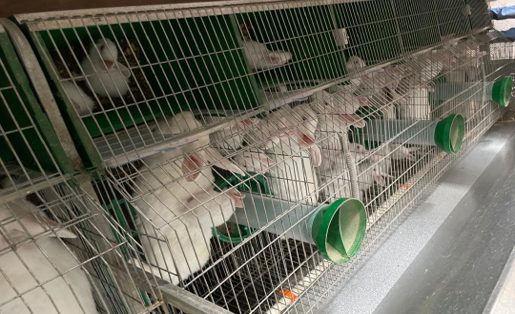
RCID provides also Technical Assistance (TA) to 15 SMEs within Rwanda’s Rabbit and Poultry value chains, focusing on empowering cooperatives for sustainable growth. Our tailored support transforms cooperatives from subsistence activities into profitable agribusinesses by enhancing governance, financial management, and professional leadership. Key interventions include developing comprehensive business plans, digitizing records, and adopting modern technologies such as automated feeders and incubators to boost productivity.

"RCID's financial inclusion initiatives have expanded access to secure, affordable banking and credit for thousands of Rwandans. Their evidence-based approach and community-driven models are driving economic empowerment and resilience."